
Can someone act on this finding without another phone call? A useful report connects the observation to the asset, the evidence and the next review or maintenance step.
For an asset owner, the value of an inspection is not the number of images captured. It is whether the evidence helps your team make a reliable decision. Agree the report structure before booking drone inspection services, especially if several teams will use the results.
The report checklist
| Report element | What it should contain | Why it matters |
|---|---|---|
| Scope and method | Assets, required views, sensors, dates and agreed criteria | Defines what the inspection was intended to establish |
| Asset register | Stable asset IDs, locations and names used by your team | Keeps findings attached to the correct asset |
| Source evidence | Original images or data linked to each observation | Lets a reviewer check the finding |
| Findings register | Observation, review status, priority criteria and proposed next step | Separates evidence from interpretation and action |
| Coverage and limits | Obscured areas, missing views, capture constraints and uncertainty | Prevents incomplete inspection being mistaken for a clean result |
| Review and handover | Reviewer, version, sign-off scope and usable exports | Defines responsibility and supports later comparison |
1. Make every finding traceable
Use a consistent identifier for the asset and for each finding. Record the inspection date and enough location detail for a field team to find the component again. Link the finding to its source image, not just a compressed screenshot in a PDF.
For a network or portfolio, use the client's asset naming convention where possible. A different label at every inspection makes trend review and work-order creation harder.
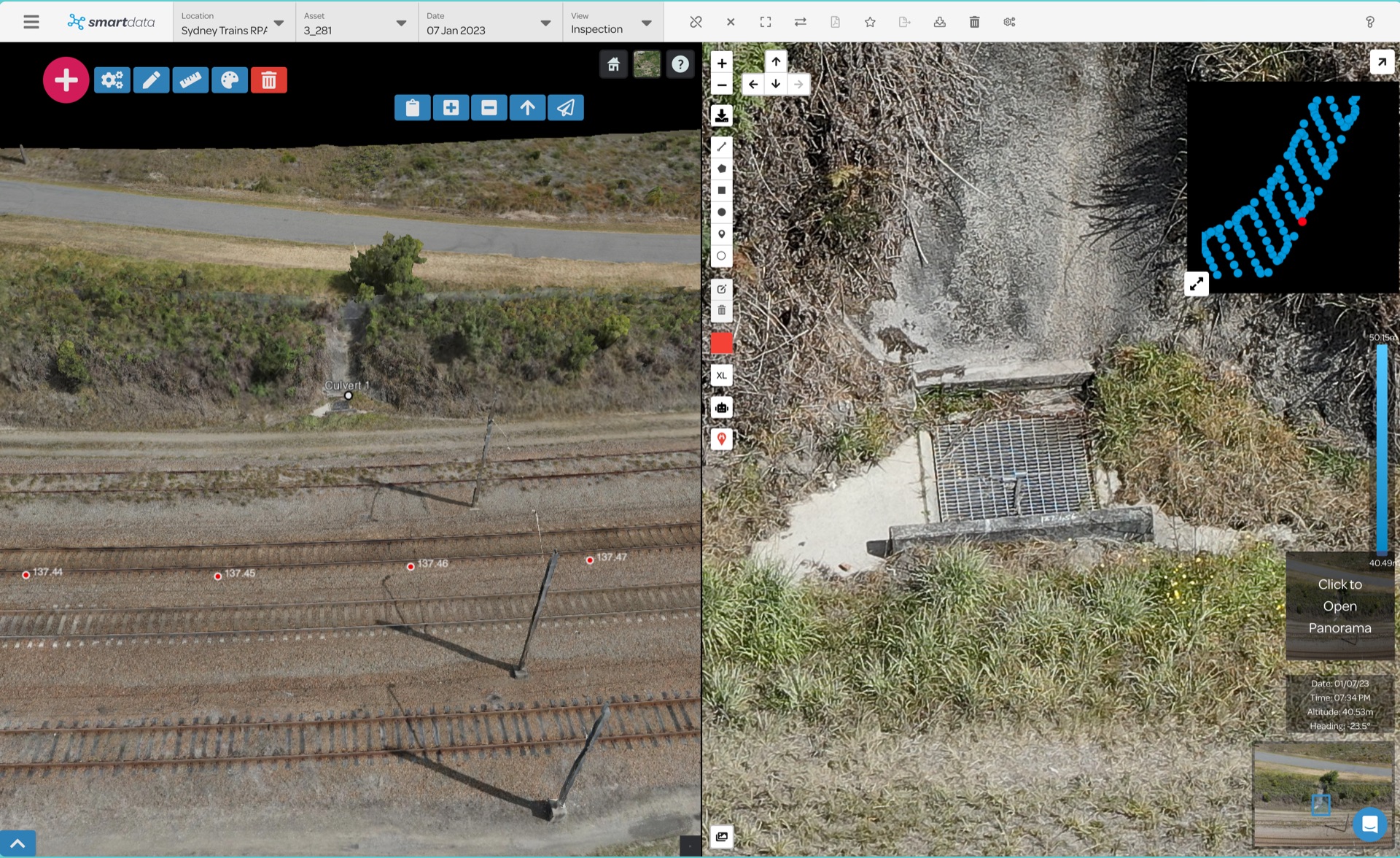
SmartData inspection view: location context and source imagery together. A report still needs agreed findings, review responsibilities and export formats.
2. Separate observation, interpretation and action
These are different statements:
- Observation: what is visible or measured in the source evidence.
- Interpretation: what that observation may mean, with the supporting rationale.
- Action: what the responsible team should review, test or maintain next.
For example, a thermal anomaly is an observation. Its cause may still need electrical investigation. Avoid labelling it a confirmed failure unless the required review or testing supports that conclusion.
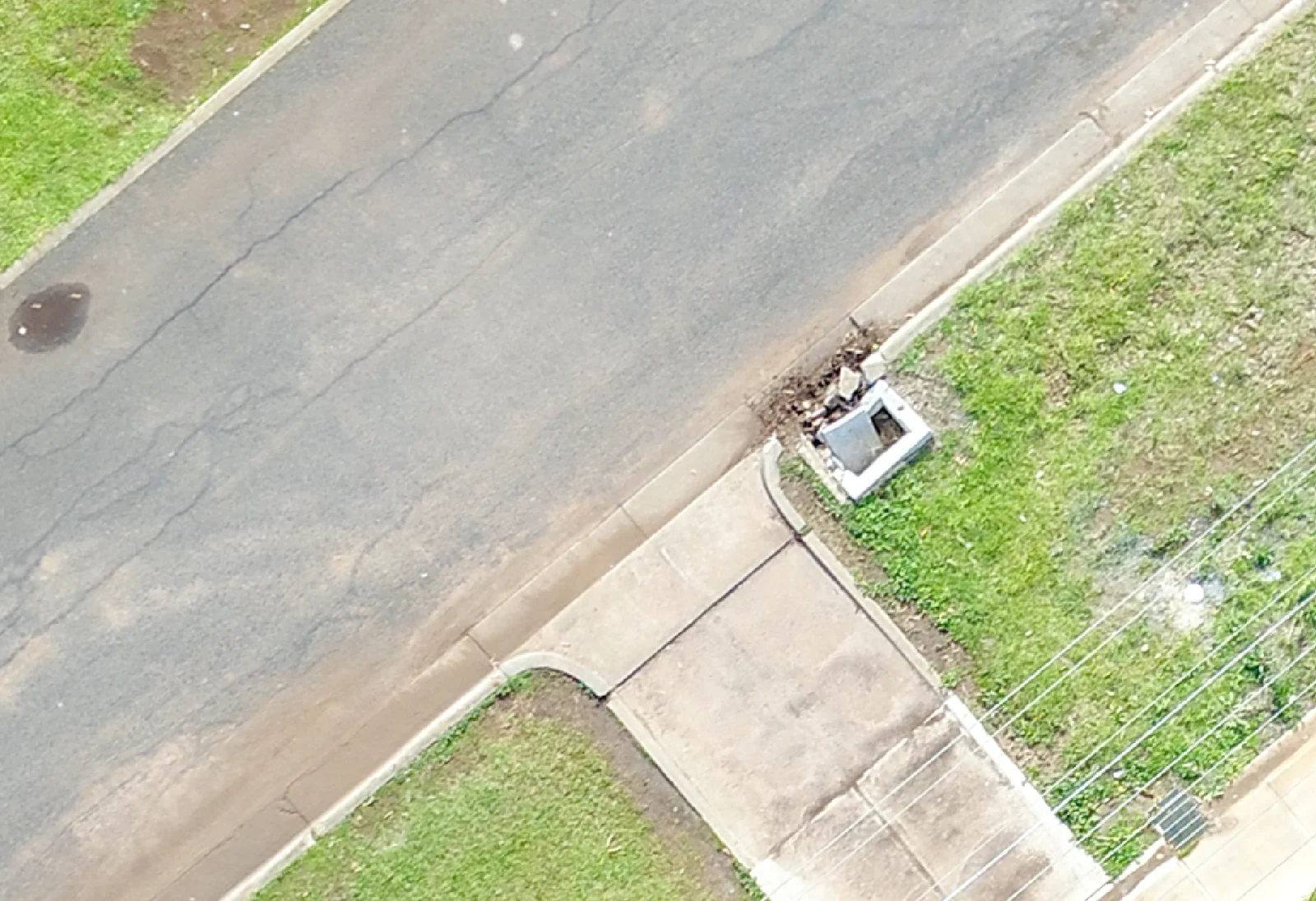
Record the visible condition and link it to the source image. This archive example does not establish fault severity, cause or a repair requirement; those need review against the agreed inspection criteria.
If automated labelling is used, keep the detection marked as a review candidate until it has been checked. A model confidence value is not proof of a defect. Our AI labelling demo illustrates the review workflow, not a replacement for asset-owner acceptance.
3. Define priorities before assigning them
A label such as "high priority" needs a shared rule. Ask which client standard, condition criteria or risk method is used, and who approves it. Where deadlines or maintenance recommendations are included, distinguish agreed requirements from suggestions.
An illustrative finding record might read: Asset P-014; finding F-03; vegetation close to a nominated conductor span; source image IMG-184; clearance review required; reviewer pending. This is a record format, not a measured clearance or a confirmed project result.
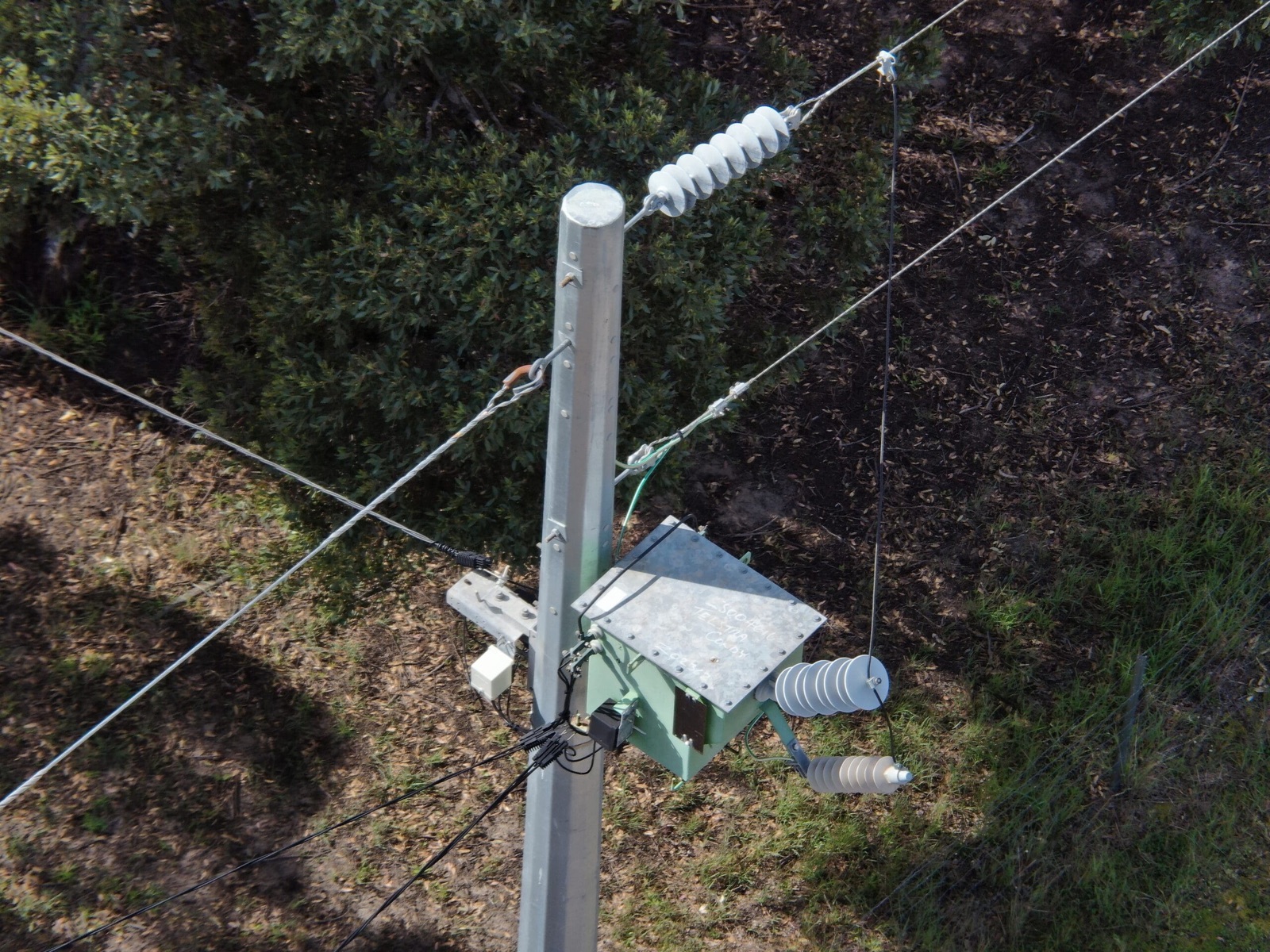
A clear source image supports visual review. It cannot establish concealed condition or every three-dimensional clearance on its own.
4. State what the inspection could not establish
List inaccessible surfaces, vegetation obstructions, missing views and capture conditions that affect interpretation. For measured outputs, include the relevant accuracy evidence and limitations.
"No finding recorded" is not the same as "verified free of defects". If an area was not captured or reviewed, say so. Confirm whether close-access inspection, material testing or specialist review remains necessary.
National Drones' bridge inspection program combined photogrammetry, LiDAR and source imagery for remote asset review. The methods complement each other; none removes the need to define coverage and professional review.
5. Deliver the report in a form your team can use
A PDF summary can be useful, but maintenance teams may also need a spreadsheet, GIS files, linked images or a hosted review environment. Agree export formats, access permissions, retention and ownership before capture.
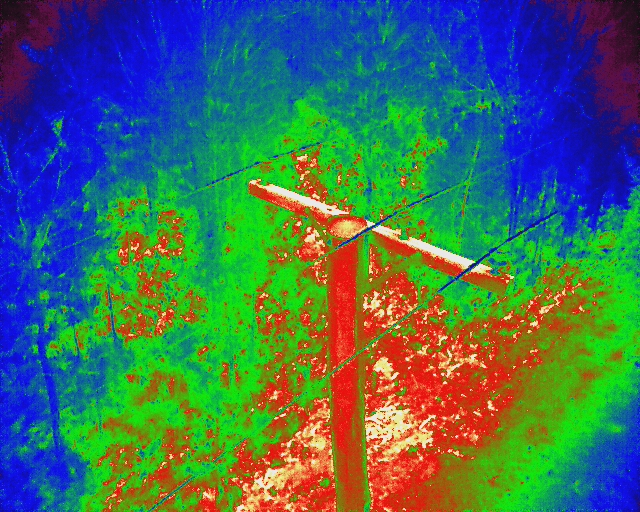
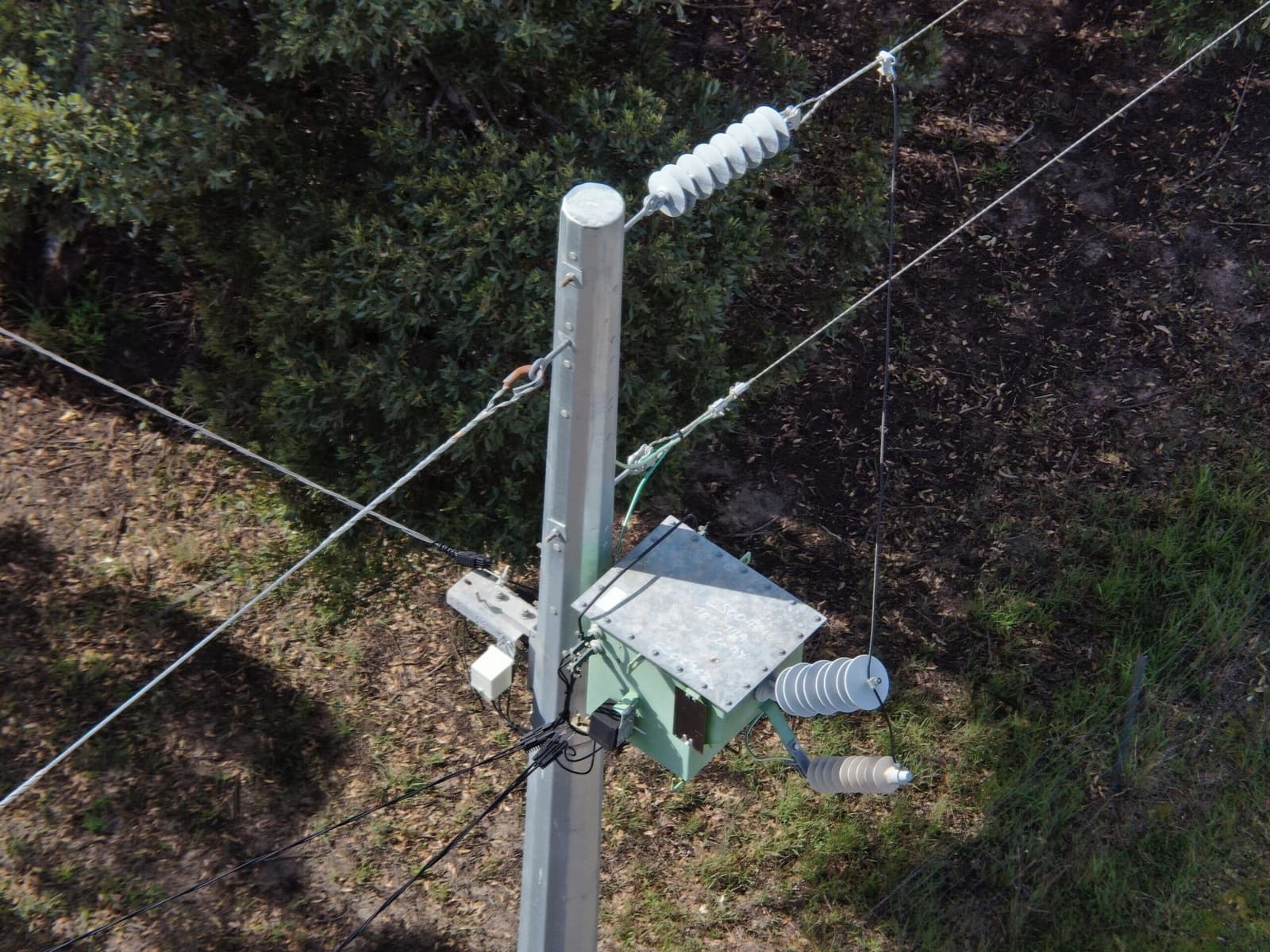
Actual capture from the multi-site power pole program, with location details withheld. The frame documents the method; it is not presented as a confirmed electrical fault.
For repeat inspections, retain stable asset IDs, report versions and compatible data formats. Your team should be able to return to the original evidence and compare it with the next capture.
Five questions to ask before you book
- Which assets and views are included, and what is excluded?
- Who reviews the evidence, and what does their sign-off cover?
- Can we trace each finding back to its original image or measurement?
- How will missing coverage and uncertainty be reported?
- Can we use the deliverables in our maintenance and asset-management systems?
Discuss a report scope with National Drones, explore the SmartData inspection viewer, or use the inspection cost guide to compare quote inclusions.