
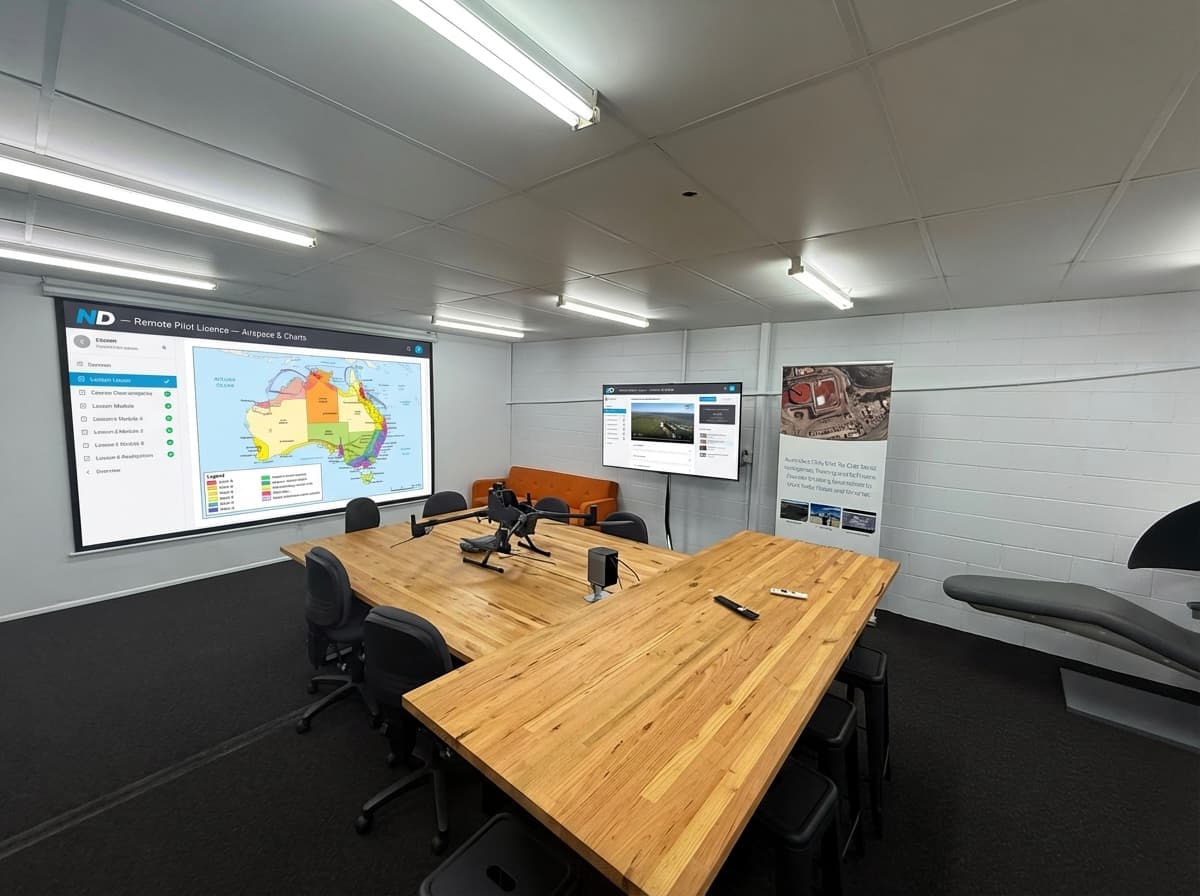
Air Law & Regulations
Understanding CASA rules for safe and legal drone operations in Australia
Who Regulates Drone Operations?
In Australia, all drone operations are regulated by the Civil Aviation Safety Authority (CASA). CASA is the national authority responsible for aviation safety, including both manned and unmanned aircraft.
Drone operations fall under Part 101 of the Civil Aviation Safety Regulations (CASR), which sets out the rules for unmanned aircraft systems and rockets. This legislation covers:
- Who can fly — licensing requirements for commercial and recreational pilots
- Where you can fly — airspace restrictions, controlled zones, and no-fly areas
- When you can fly — time-of-day restrictions and weather limitations
- How you must fly — standard operating conditions, separation distances, and safety protocols
Many commercial operations need a Remote Pilot Licence (RePL) and must be flown under a Remote Operator Certificate (ReOC), but not all of them: some lower-risk “excluded category” operations have their own pathway. What you need depends on the aircraft’s weight and the type of operation.
When Do You Need a RePL?
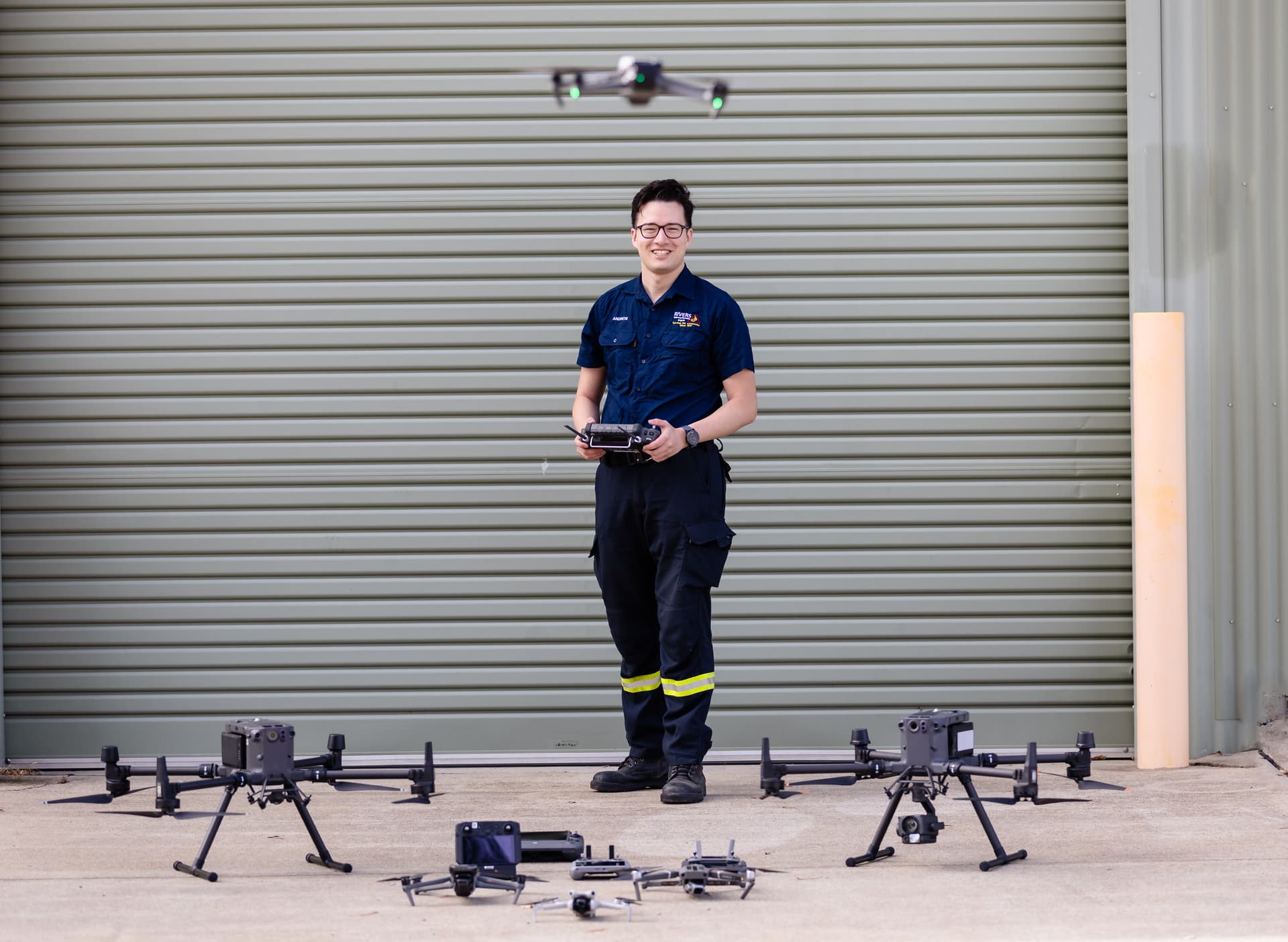
Not every drone flight requires a licence. The rules depend on whether your operation is commercial or recreational, and the weight of your aircraft:
- Flying only for fun — no drone registration, RePL or operator accreditation is required. Follow CASA’s drone safety rules. Drones over 25 kg need approval.
- Business or paid flying with a drone of 2 kg or less — an excluded-category pathway without a RePL or ReOC, but the drone must be registered, you need operator accreditation, and you must fly within the standard operating conditions
- Flying a drone over 2 kg for hire or reward — you need a RePL and must operate under a ReOC (your own, or another ReOC holder’s). “For hire or reward” includes aerial photography, surveying, inspections and agricultural work done for others
- Landholders — flying your own drone over land you own or lease, unpaid and within the standard operating conditions, is excluded up to 25 kg (registration and operator accreditation still apply). A drone of more than 25 kg, up to and including 150 kg, needs a RePL but no ReOC
If you fly drones in any professional capacity, check which pathway applies before you fly. Requirements depend on the operation.
Standard Operating Conditions
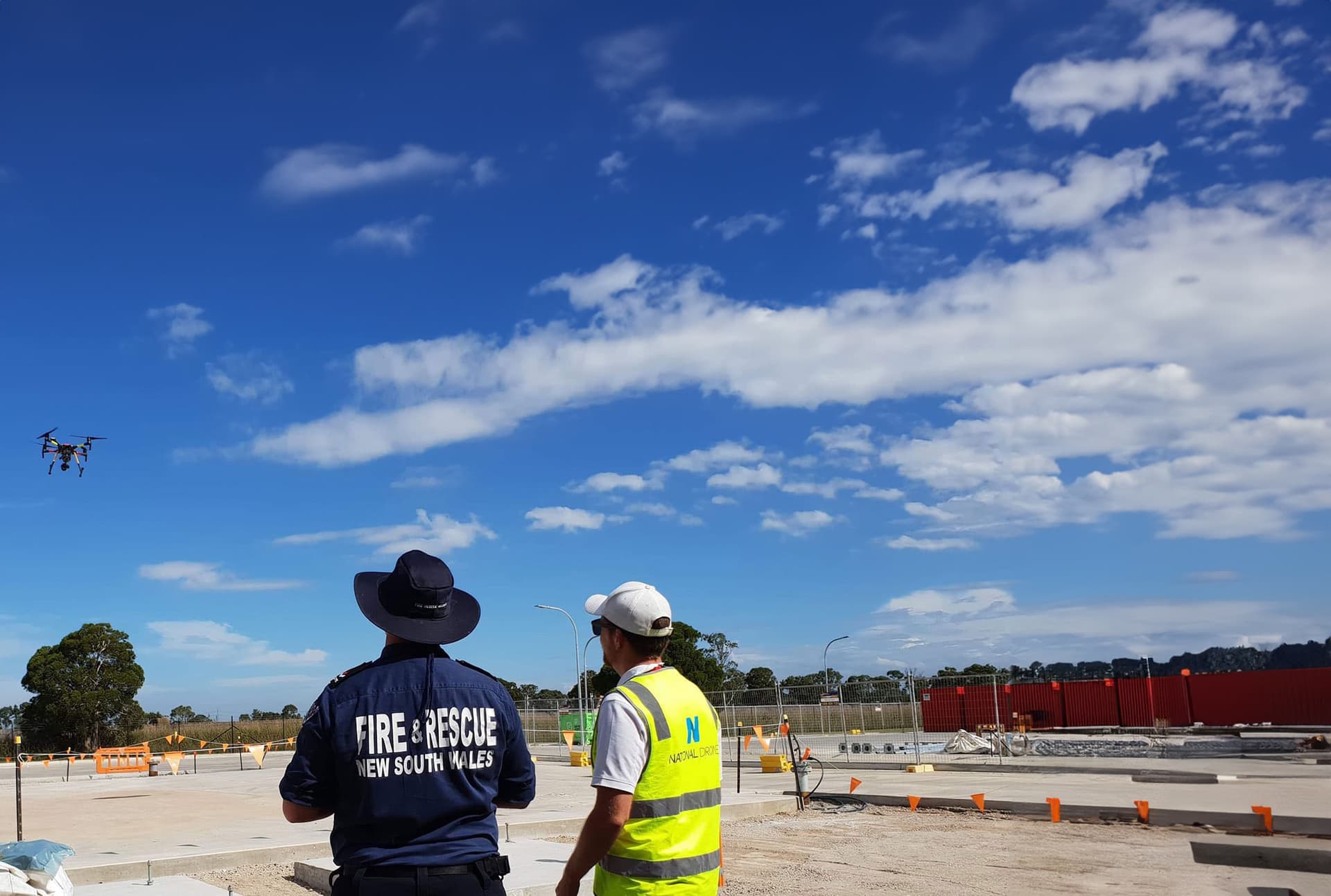
CASA defines a set of standard operating conditions for excluded-category operations. Recreational pilots follow the drone safety rules. Licensed operations follow the ReOC procedures and any required approvals or applicable permissions. These core limits are a useful starting point; a RePL alone does not authorise a different operation:
- Maximum height: 120 metres (400 ft) AGL — you do not exceed this height under standard operating conditions
- Visual Line of Sight (VLOS) — you must be able to see the drone with your own eyes (not through a screen) at all times during flight
- 30 metres from people — maintain at least 30 m separation from people who are not essential to control and navigation. Never fly over people. Clients and people being filmed do not count as operating crew
- No flight over populous areas — beaches, sporting events, markets, and busy public spaces can be populous areas. Do not fly where the operation poses an unreasonable risk to people or property
- Daylight only — operations are restricted to daylight hours under standard operating conditions. Night flying has separate RePL, ReOC, training and documented procedure requirements; CASA permissions or approvals apply
- Controlled aerodromes — drones over 250 g must stay outside 5.5 km under the general drone safety rules. Drones of 250 g or less have a limited 45 m-height pathway, outside the airport boundary and runway flight paths. Licensed operations must follow the applicable airspace authorisations
- No restricted airspace — military zones, prohibited areas, and temporary flight restrictions must be checked before every flight
Knowledge Check
Test your understanding with three questions from this section. Select an answer, then check if you’re correct.
1. What is the maximum height under standard operating conditions?
2. Under standard operating conditions, what minimum distance applies to people not essential to control and navigation?
3. Which part of the Civil Aviation Safety Regulations governs unmanned aircraft operations in Australia?
Section Summary — Air Law
Key takeaways from this section:
- CASA regulates all drone operations in Australia under Part 101 of the Civil Aviation Safety Regulations
- Commercial flights outside an eligible excluded category need a RePL and operation under a ReOC. Some unpaid landholder operations have an excluded-category pathway above 2 kg
- Standard operating conditions include a maximum height of 120 m AGL, visual line of sight, and 30 m separation from uninvolved people
- Controlled-aerodrome limits depend on weight and the operation. Check the applicable airspace rules before every flight
- Standard operating conditions require daylight. Night operations require a separate licensed pathway, training and documented procedures with applicable permissions or approvals
- Check restricted airspace and temporary flight restrictions before every operation
You’ve completed this sample lesson!
Air Law is just one of the theory units covered in the Blended RePL Course. The full programme includes self-paced preparation and three scheduled days of live online theory, local classroom theory, and practical flying and assessment.
Enjoyed this lesson?
This is just one topic from the full Blended RePL Course. Explore more free content or enrol today.