The Future of Drones in Australia
15 November 2023
The Future of Drones in Australia
Australia has been at the forefront of commercial drone adoption, with industries from mining and agriculture to emergency services and infrastructure embracing drone technology. As the technology continues to mature and regulations evolve, the role of drones in Australian industry and society is set to expand significantly.
Regulatory Evolution
CASA's Evolving Framework
The Civil Aviation Safety Authority continues to develop its regulatory framework to accommodate the rapid growth of the drone industry. Key areas of regulatory evolution include:
-
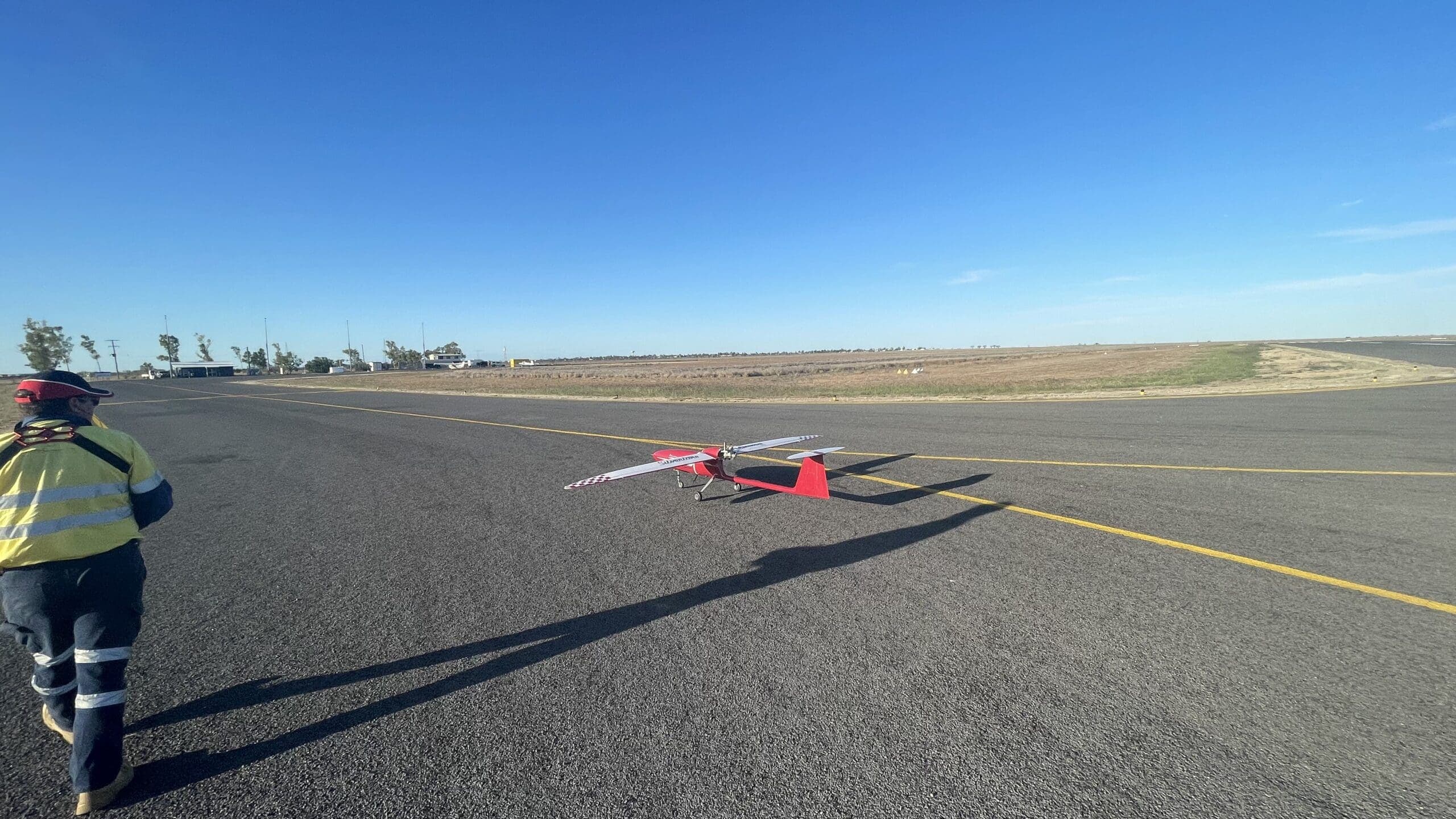
Beyond Visual Line of Sight (BVLOS) -- CASA is progressively enabling BVLOS operations, which will dramatically expand the range and utility of commercial drones. Operations that currently require the pilot to maintain visual contact with the drone will eventually be conducted over much greater distances using on-board sensors and detect-and-avoid systems.
-
Remote identification -- Future regulations are expected to require drones to broadcast their identity and position, enabling better airspace management and accountability.
-
Unmanned Traffic Management (UTM) -- As drone numbers grow, systems for managing drone traffic in low-altitude airspace will become essential. Australia is actively developing UTM solutions that will allow safe, efficient drone operations at scale.
-
Simplified pathways -- CASA continues to simplify the regulatory pathway for lower-risk commercial operations, making it easier for businesses to adopt drone technology.
Integration with Manned Aviation
One of the biggest challenges for the drone industry globally is safely integrating unmanned aircraft into airspace shared with manned aviation. Australia is participating in international efforts to develop standards and technologies that will enable this integration.
Emerging Technologies
Artificial Intelligence and Machine Learning
AI is transforming how drone data is processed and analysed. Applications include:
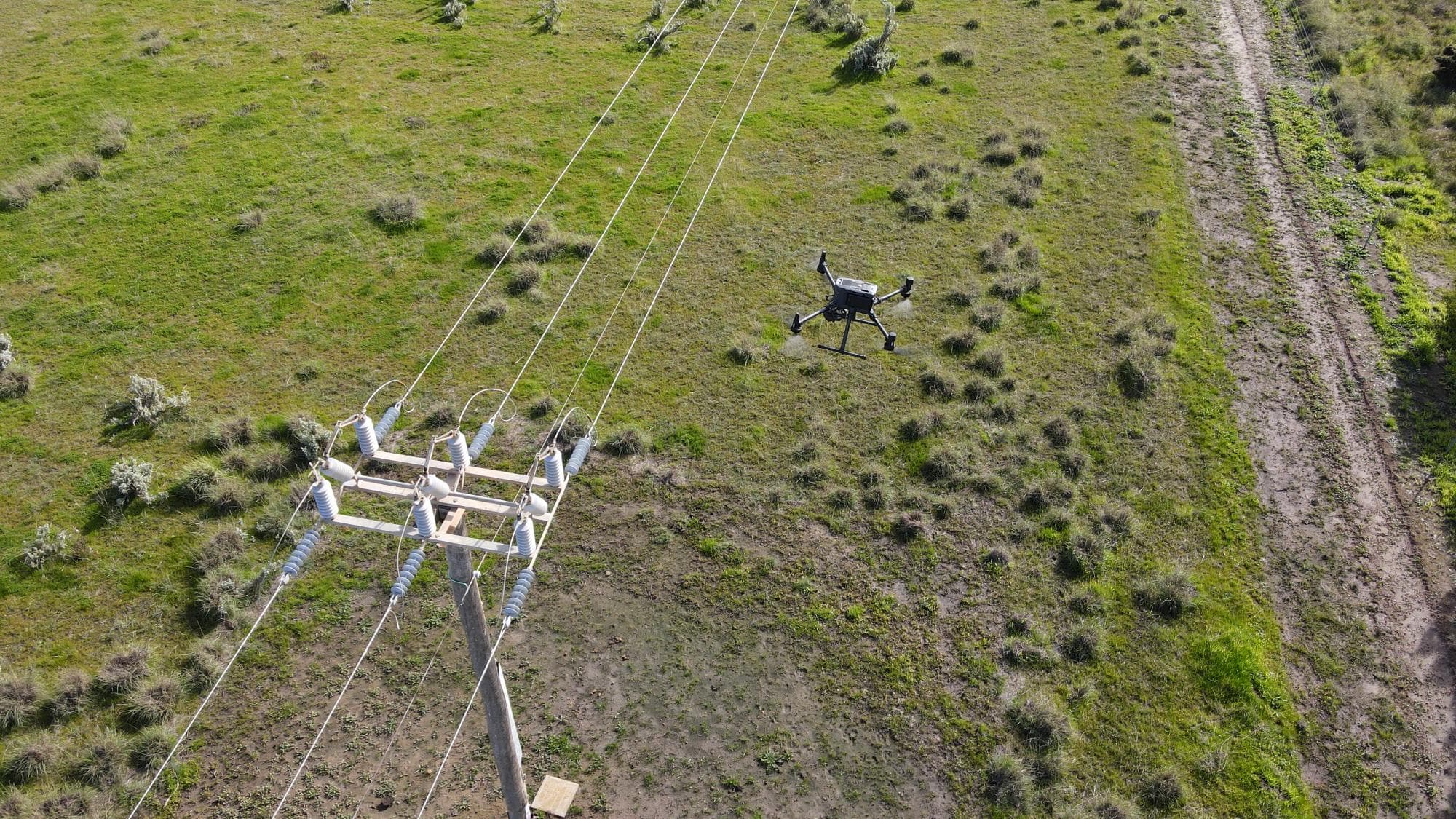
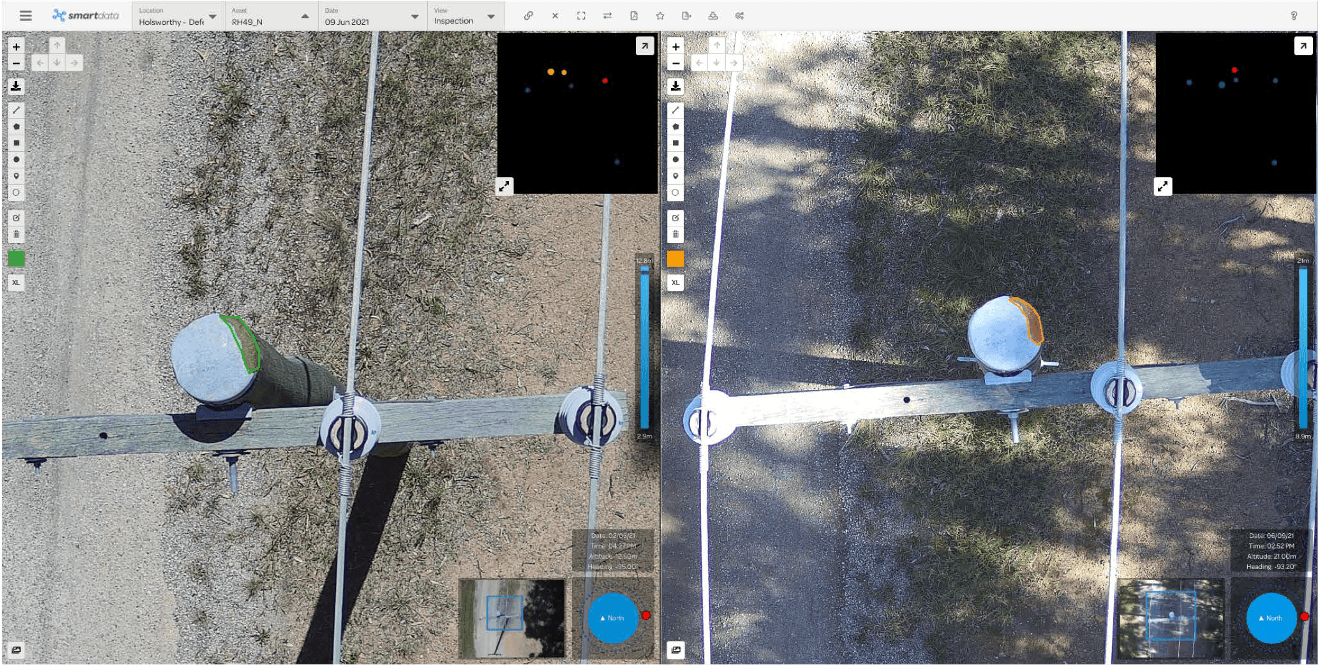
- Automated defect detection in infrastructure inspections, where AI identifies cracks, corrosion, and anomalies faster and more consistently than human reviewers
- Predictive analytics that use historical drone data to forecast when assets are likely to fail
- Real-time processing that delivers actionable information to operators in the field rather than requiring data to be processed after the flight
- Autonomous flight planning where AI optimises flight paths based on mission objectives and site conditions
Advanced Sensors
Sensor technology continues to improve, with new capabilities including:
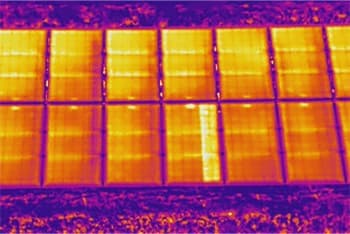
- Higher-resolution thermal cameras with greater sensitivity
- Compact LiDAR sensors that can be carried by smaller, more affordable drones
- Hyperspectral cameras that capture dozens of light wavelengths for detailed material analysis
- Gas detection sensors for monitoring emissions and leaks
- Radiation detection sensors for nuclear and environmental applications
Longer Range and Endurance
Battery technology, hydrogen fuel cells, and hybrid power systems are extending drone flight times and ranges. This enables:
- Larger area coverage per flight
- More complex inspection missions
- Delivery operations over greater distances
- Extended surveillance and monitoring tasks
Swarm Technology
Multiple drones operating as a coordinated swarm can survey large areas faster, provide redundancy, and accomplish tasks that a single drone cannot. Swarm technology is being developed for applications in agriculture, search and rescue, environmental monitoring, and defence.
Industry Growth Areas
Drone Delivery
Australia has been a testing ground for drone delivery services, with companies trialling parcel, food, and medical supply deliveries in various locations. As regulations and technology mature, drone delivery is expected to become a mainstream logistics option, particularly in regional and remote areas.
Urban Air Mobility
Electric vertical take-off and landing (eVTOL) aircraft are being developed for urban passenger transport. While still in early stages, several companies are working toward certification, and Australian cities could see air taxi services within the coming years.
Agriculture at Scale
As precision agriculture technology improves and drone spraying capability expands, the adoption of drones across Australian farming is expected to accelerate. Autonomous drones that can operate with minimal human oversight will make drone-based crop management viable for even the largest properties.
Mining Automation
The Australian mining industry is moving toward greater automation, and drones are a key part of this transition. Autonomous drone survey programs that operate from permanent on-site docking stations will provide continuous monitoring of mining operations.
Environmental Monitoring
Drones are increasingly used for environmental monitoring and conservation. Future applications include large-scale habitat mapping, wildlife population tracking, bushfire monitoring and response, and coastal erosion assessment.
Emergency Services
The use of drones by police, fire, and ambulance services will continue to grow. Capabilities such as real-time video streaming, thermal imaging for missing persons searches, and rapid deployment for disaster assessment are already proving their value.
Skills and Employment
As the drone industry grows, so does the demand for skilled professionals. Career opportunities exist in:
- Drone piloting and operations
- Data processing and analysis
- Sensor technology and engineering
- Software development for drone applications
- Regulatory compliance and safety management
- Sales and business development
National Drones is committed to supporting the growth of the Australian drone industry through professional training, service delivery, and innovation.
What This Means for Businesses
Businesses across Australia should consider how drone technology can benefit their operations. Whether you are in construction, mining, agriculture, energy, infrastructure, or environmental management, drones offer opportunities to:
- Reduce costs through faster, more efficient data collection
- Improve safety by keeping workers away from hazardous environments
- Make better decisions with higher-quality, more frequent data
- Stay competitive as your industry adopts new technology
Working with National Drones
National Drones is at the forefront of commercial drone technology in Australia. We provide services, training, and software solutions that help organisations harness the power of drones.
Contact us to discuss how we can help your business prepare for the future of drones.