Drone Powerline Inspections
28 August 2023
Drone Powerline Inspections
Electrical powerlines are critical infrastructure that requires regular inspection to maintain reliability and safety. Traditional inspection methods using helicopters, elevated work platforms, or ground-based teams are expensive, slow, and carry significant safety risks. Drone powerline inspections offer a better approach.
Why Inspect Powerlines?
Australia's electrical network spans hundreds of thousands of kilometres, carrying power from generation facilities to homes and businesses. This network is exposed to:
- Weather -- Wind, rain, hail, lightning, and extreme heat
- Vegetation -- Trees and branches growing into clearance zones
- Corrosion -- Salt air, industrial pollutants, and moisture
- Wildlife -- Birds nesting on structures, animals contacting conductors
- Ageing -- Natural deterioration of poles, crossarms, insulators, and conductors over time
- Mechanical damage -- From vehicle strikes, falling trees, or construction activity
Undetected faults can lead to power outages, equipment damage, bushfires, and safety hazards. Regular inspections are essential to identify and address these issues before they cause failures.
How Drone Powerline Inspections Work
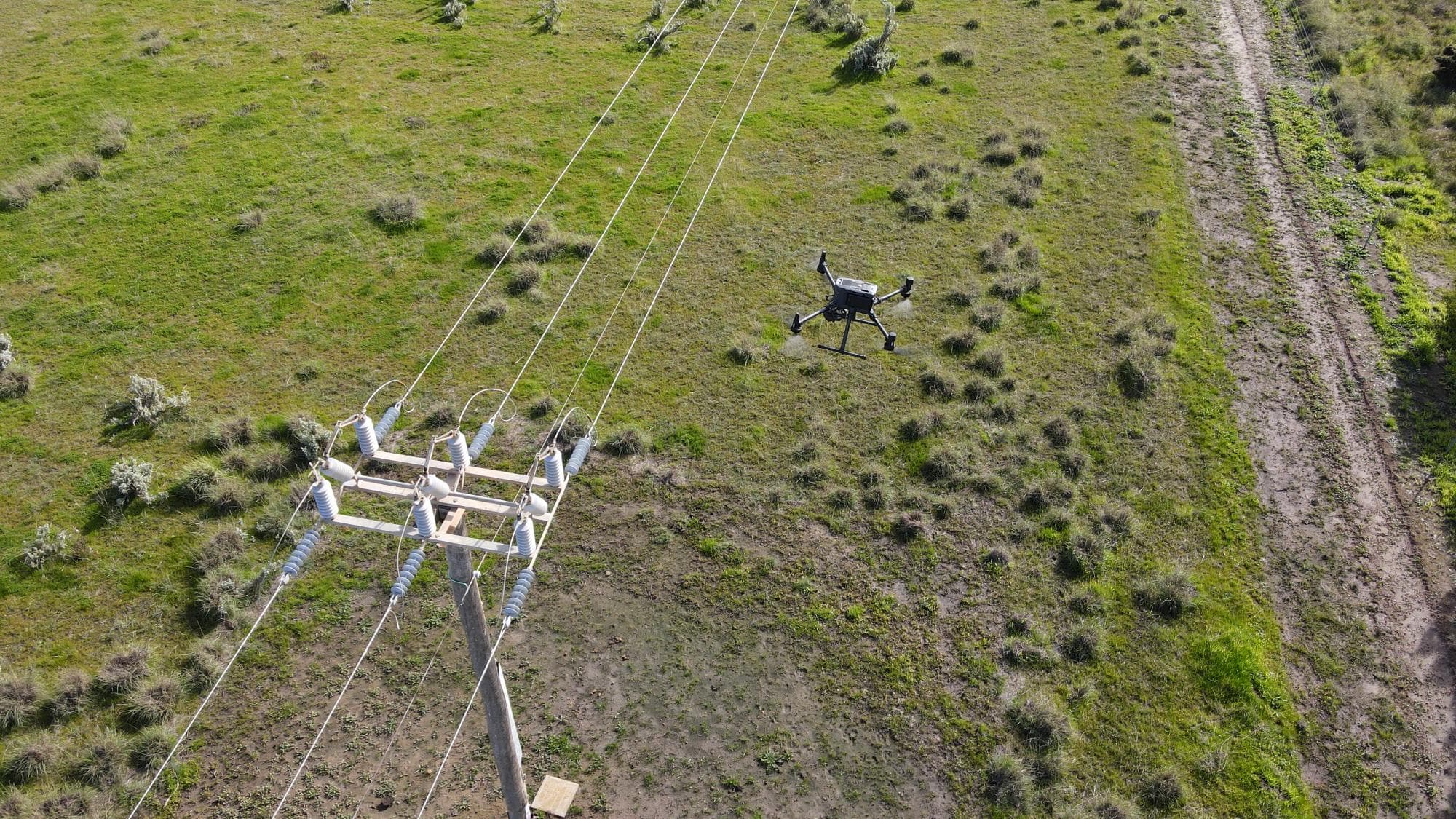
Drone powerline inspections use a combination of high-resolution visual and thermal imaging to assess the condition of powerline assets. The drone flies along the powerline corridor, capturing detailed imagery of:
- Poles and towers -- Checking for cracks, rot, lean, foundation issues, and physical damage
- Crossarms -- Identifying splits, cracks, bolt failures, and deterioration
- Insulators -- Detecting cracks, chips, contamination, and tracking damage
- Conductors -- Finding broken strands, corrosion, sag anomalies, and splicing issues
- Hardware -- Assessing bolts, clamps, ties, and other fittings for wear or failure
- Vegetation -- Measuring clearances between conductors and nearby trees or vegetation
Visual Inspection
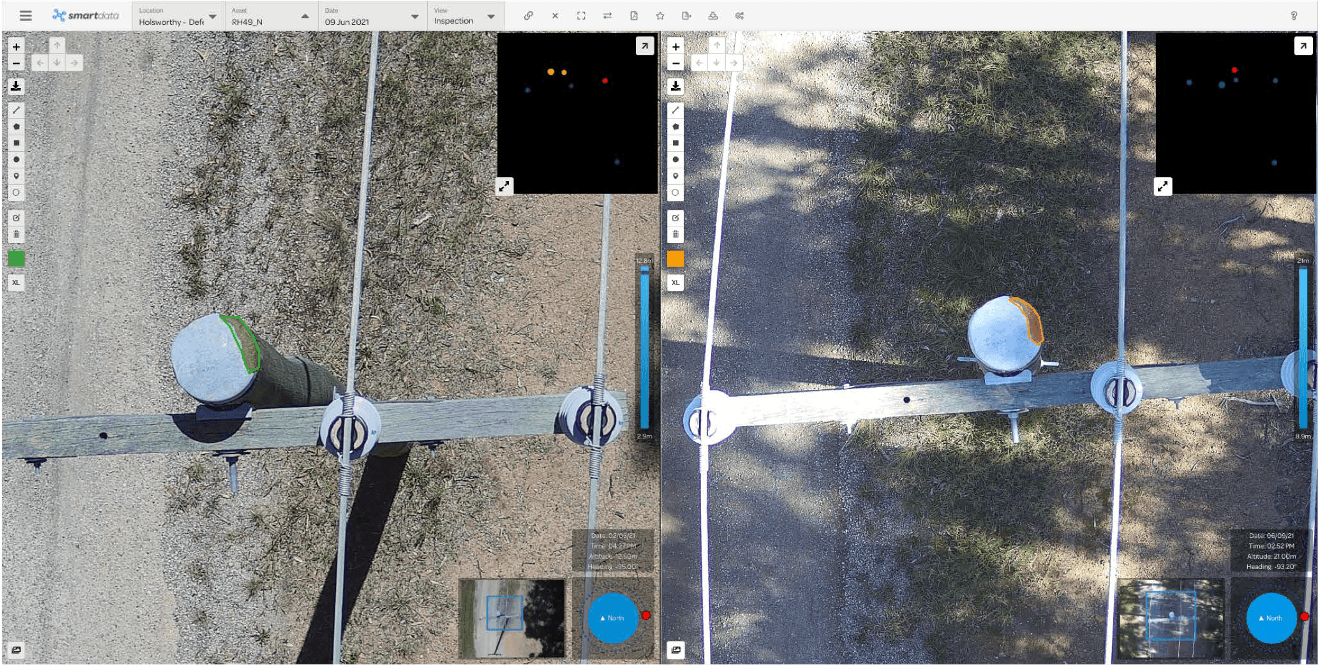
High-resolution cameras capture detailed images from multiple angles, allowing inspectors to identify physical defects that may not be visible from the ground. Modern drone cameras can resolve features as small as a few millimetres from operational inspection distances.
Thermal Inspection
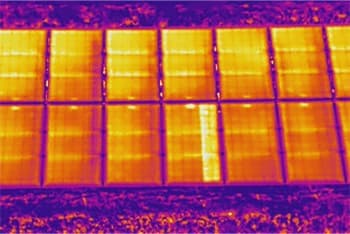
Thermal cameras detect temperature anomalies in electrical components that indicate:
- Loose connections generating excess heat
- Overloaded conductors running above rated temperature
- Failing insulators with internal defects
- Corroded or damaged joints with increased resistance
- Transformer faults visible as temperature anomalies
LiDAR Survey
For detailed corridor mapping and vegetation clearance analysis, LiDAR-equipped drones can produce accurate 3D models of the powerline corridor, allowing precise measurement of:
- Conductor sag and clearance to ground
- Vegetation encroachment distances
- Structure heights and positions
- Corridor topography
Advantages Over Traditional Methods
Safety
Traditional powerline inspections often involve working at height, in proximity to energised conductors, or flying in helicopters at low altitudes. Drones eliminate or significantly reduce these risks.
Cost
Drone inspections typically cost a fraction of helicopter-based inspections, making more frequent inspections economically viable. This improves overall network reliability and reduces reactive maintenance costs.
Speed
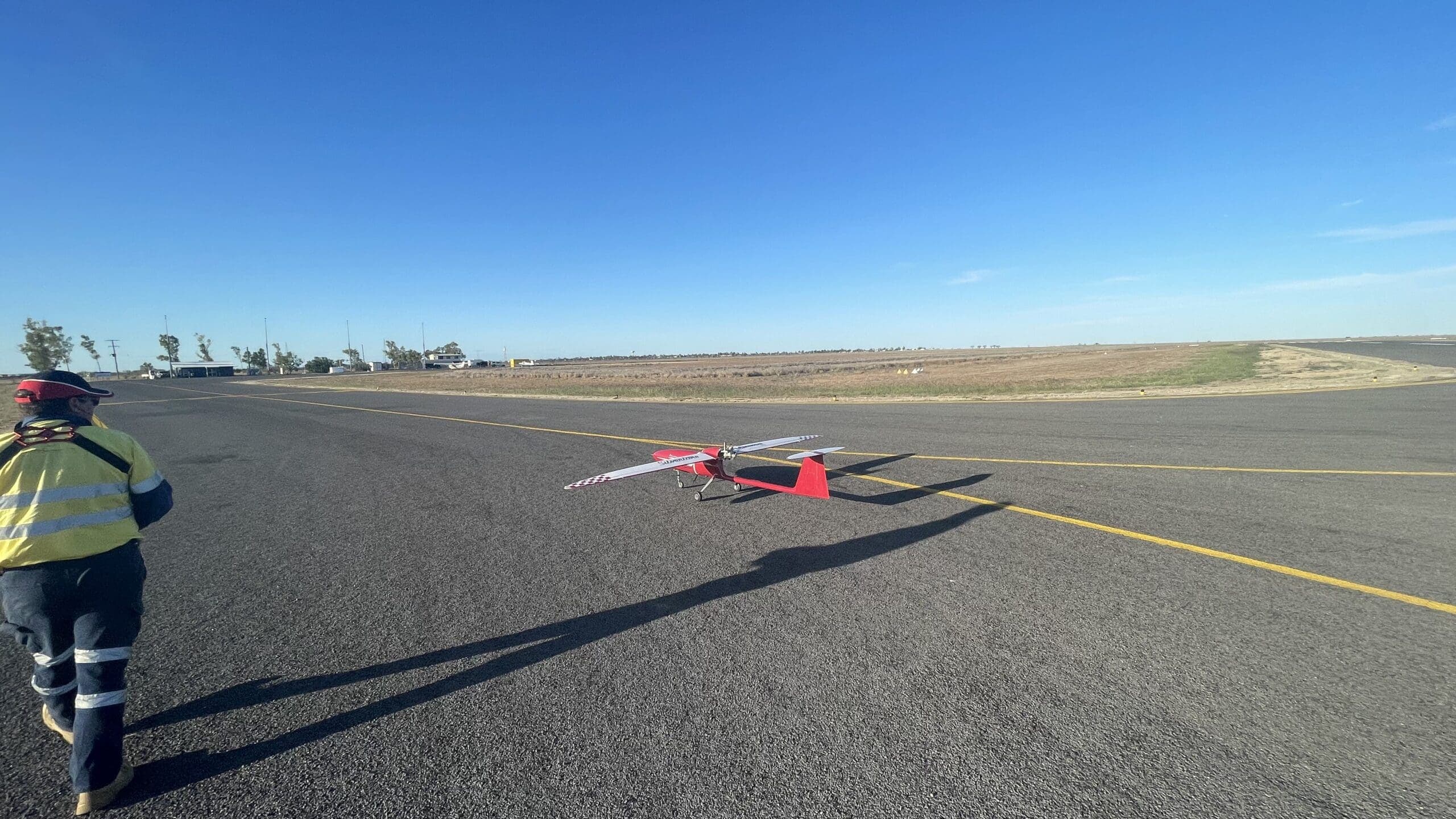
Drones can inspect several kilometres of powerline per hour, with minimal setup and mobilisation compared to ground crews or helicopters.
Detail
Drones can get closer to assets than helicopters, capturing more detailed imagery. They can also hover and reposition to capture the best angle for each component, which is not practical with a moving helicopter.
Data Management
Drone inspection data is geotagged and can be integrated with GIS and asset management systems. This allows utilities to track the condition of individual assets over time, prioritise maintenance, and demonstrate regulatory compliance.
Our Powerline Inspection Services
National Drones provides powerline inspection services for transmission and distribution network operators across Australia. Our services include:
- Visual and thermal inspection of poles, conductors, and hardware
- Vegetation clearance assessment
- LiDAR corridor mapping
- Defect identification, classification, and georeferencing
- Integration with asset management and GIS platforms
- Detailed reporting with imagery, findings, and recommendations
- Ongoing inspection programs with scheduled flights
Getting Started
If you manage or own electrical infrastructure, drone inspections can help you maintain reliability, reduce costs, and improve safety. Contact National Drones to discuss your powerline inspection requirements.