Commercial Drone Operations
2 May 2023
Commercial Drone Operations
Commercial drone operations in Australia have grown rapidly, with drones now used across industries from construction and mining to agriculture, energy, and emergency services. If you are considering using drones for business, or hiring a drone operator, understanding the regulatory framework and operational requirements is essential.
What Counts as Commercial Drone Operations?
In Australia, any drone operation conducted for commercial purposes, for hire or reward, or as part of a business activity is considered a commercial operation. This includes:
- Providing drone services to clients (surveys, inspections, photography)
- Using drones as part of your own business operations (monitoring assets, checking infrastructure)
- Flying drones for research or educational purposes on behalf of an organisation
- Any operation where the drone pilot is being paid or the flight supports a commercial activity
Regulatory Requirements
Remote Pilot Licence (RePL)
Every pilot conducting commercial drone operations must hold a valid Remote Pilot Licence issued by CASA. The RePL is obtained by completing approved training with a certified provider and covers specific aircraft categories and weights.
Remotely Piloted Aircraft Operator's Certificate (ReOC)
Any organisation conducting commercial drone operations must hold a Remotely Piloted Aircraft Operator's Certificate. The ReOC is the business-level certification that demonstrates the organisation has:
- Documented operating procedures
- A safety management system
- Adequate insurance coverage
- Qualified personnel
- Appropriate equipment maintenance programs
Excluded Category
For simpler commercial operations using drones under 2 kilograms, CASA offers an Excluded Category pathway that has reduced requirements. However, this comes with significant operating restrictions that make it unsuitable for many commercial applications.
Standard Operating Conditions
All commercial drone operations must comply with CASA's standard operating conditions unless specific approvals have been obtained. Key conditions include:
- Fly only during daylight hours
- Maintain visual line of sight with the drone at all times
- Stay below 120 metres (400 feet) above ground level
- Keep at least 30 metres from people not involved in the operation
- Do not fly over populous areas without approval
- Do not fly in restricted or prohibited airspace without authorisation
- Do not fly within 5.5 kilometres of a controlled aerodrome without approval
Safety Management
Professional commercial drone operators implement safety management systems that include:
Risk Assessment
Every commercial drone operation should begin with a thorough risk assessment that considers:
- Airspace classification and restrictions
- Weather conditions and forecasts
- Ground hazards and terrain
- Proximity to people, buildings, and infrastructure
- Emergency procedures and contingency plans
- Equipment serviceability
Standard Operating Procedures
Documented procedures ensure consistency and safety across all operations. Key procedures cover:
- Pre-flight checks and inspections
- Flight planning and briefing
- Normal and emergency operations
- Incident and accident reporting
- Equipment maintenance and record-keeping
- Data management and security
Training and Currency
Beyond the initial RePL training, commercial operators should maintain their skills through:
- Regular flight practice
- Refresher training on regulations and procedures
- Keeping up to date with CASA regulatory changes
- Industry-specific training for specialised applications
Insurance
Commercial drone operators should carry appropriate insurance, including:
- Aviation liability insurance -- Covering damage or injury caused by the drone to third parties
- Hull insurance -- Covering damage to the drone itself
- Professional indemnity insurance -- Covering errors in the data or services provided
- Public liability insurance -- General business coverage
CASA requires ReOC holders to hold adequate insurance, and many clients require proof of insurance before engaging a drone operator.
Choosing a Commercial Drone Operator
When hiring a drone operator for commercial work, verify the following:
- Valid RePL for all pilots who will be flying
- Current ReOC for the operating organisation
- Adequate insurance coverage for the type of work
- Relevant experience in your industry or application
- Professional reporting and data delivery standards
- Safety record and safety management documentation
Industries Using Commercial Drones
Commercial drone operations span virtually every industry in Australia:
- Construction -- Site surveys, progress monitoring, earthworks measurement
- Mining -- Stockpile volumes, pit surveys, infrastructure inspections
- Agriculture -- Crop monitoring, precision spraying, livestock management
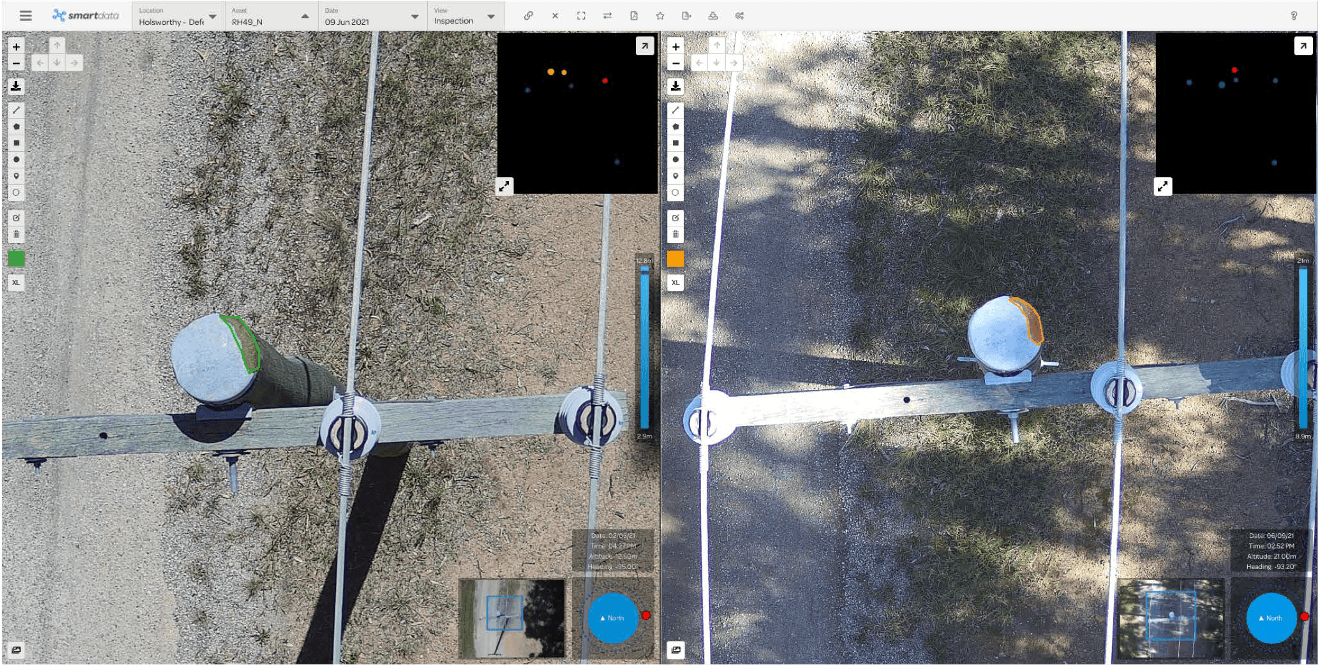
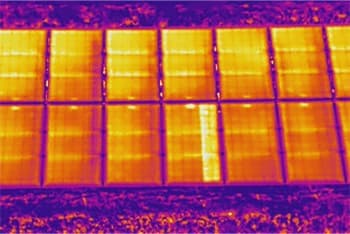
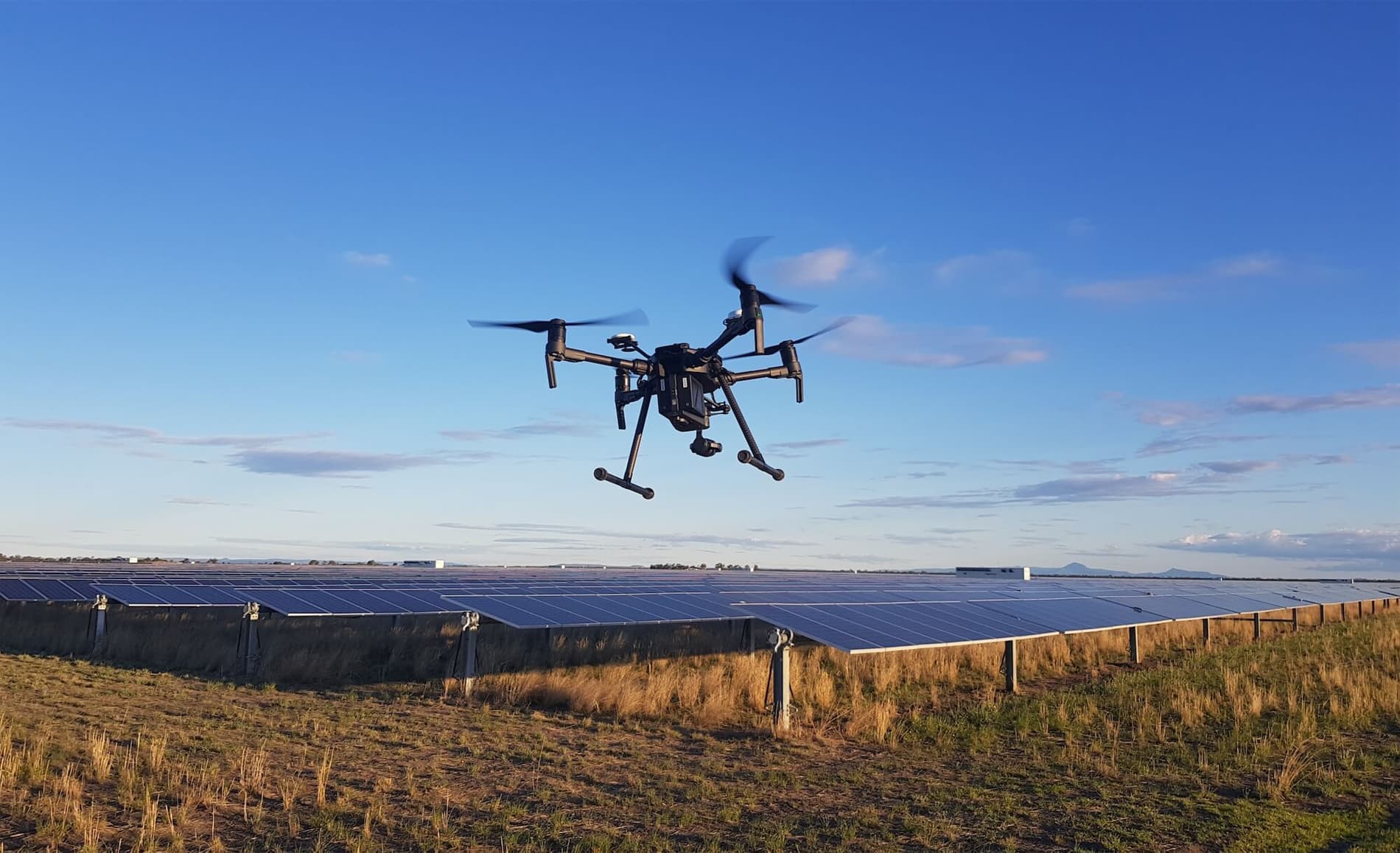
- Energy -- Solar panel inspections, powerline surveys, wind turbine inspections
- Infrastructure -- Bridge inspections, road surveys, pipeline monitoring
- Real estate -- Property photography and videography
- Film and media -- Aerial cinematography and production
- Emergency services -- Search and rescue, disaster assessment, fire monitoring
- Environmental -- Wildlife surveys, vegetation mapping, erosion monitoring
Working with National Drones
National Drones holds a CASA-issued ReOC and operates a team of experienced, licensed pilots across Australia. We provide professional drone services backed by comprehensive safety management systems, full insurance coverage, and a commitment to delivering high-quality data and reporting.
Contact us to discuss your commercial drone requirements.