
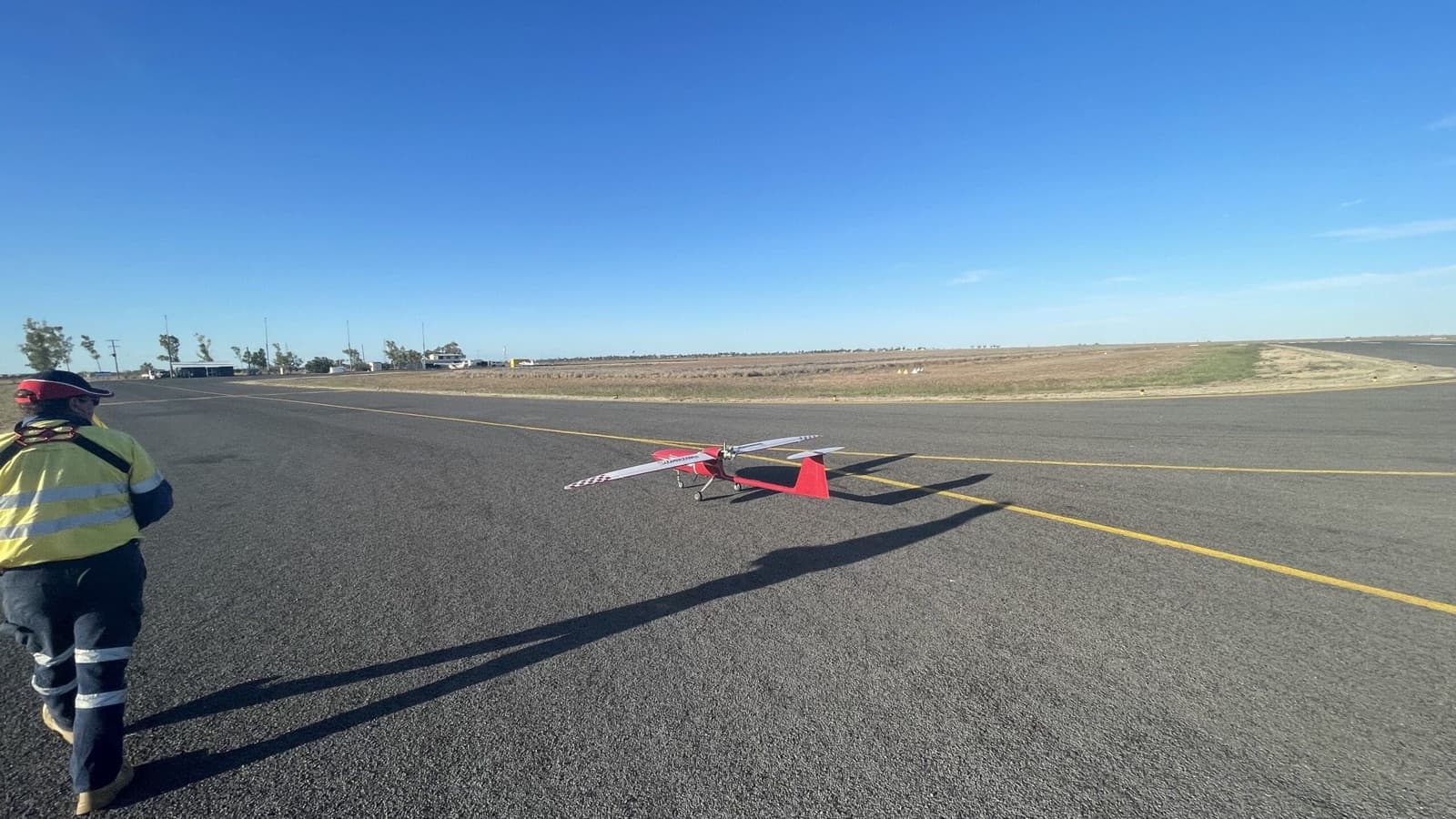
Remote Drone Operations
Autonomous inspections and surveys managed from our operations centre. Data delivered straight to SmartData — no pilot on site.
Drone in a Box — No Pilot on Site
Deploy an autonomous drone dock at your site and get regular aerial data without scheduling pilots, managing logistics, or waiting for weather windows. The dock flies on schedule, captures your data, and delivers it to your dashboard.
24/7
Autonomous operation
Dawn, dusk, or scheduled intervals
0
On-site personnel required
Fully remote from our ops centre
<30min
Turnaround between flights
Auto-charge and relaunch
Auto
Data to SmartData
No manual uploads or processing
Autonomous Drone Docking
Our autonomous docking stations are compact, weatherproof units that house, charge, and launch drones without on-site personnel. With integrated weather monitoring, RTK positioning, and cellular connectivity, the docks operate in harsh conditions across remote Australian sites. Missions are planned and triggered remotely — the dock opens, the drone launches, flies its route, captures data, returns, uploads, and recharges. Ready for the next mission in under 30 minutes.
Remote Operations Centre
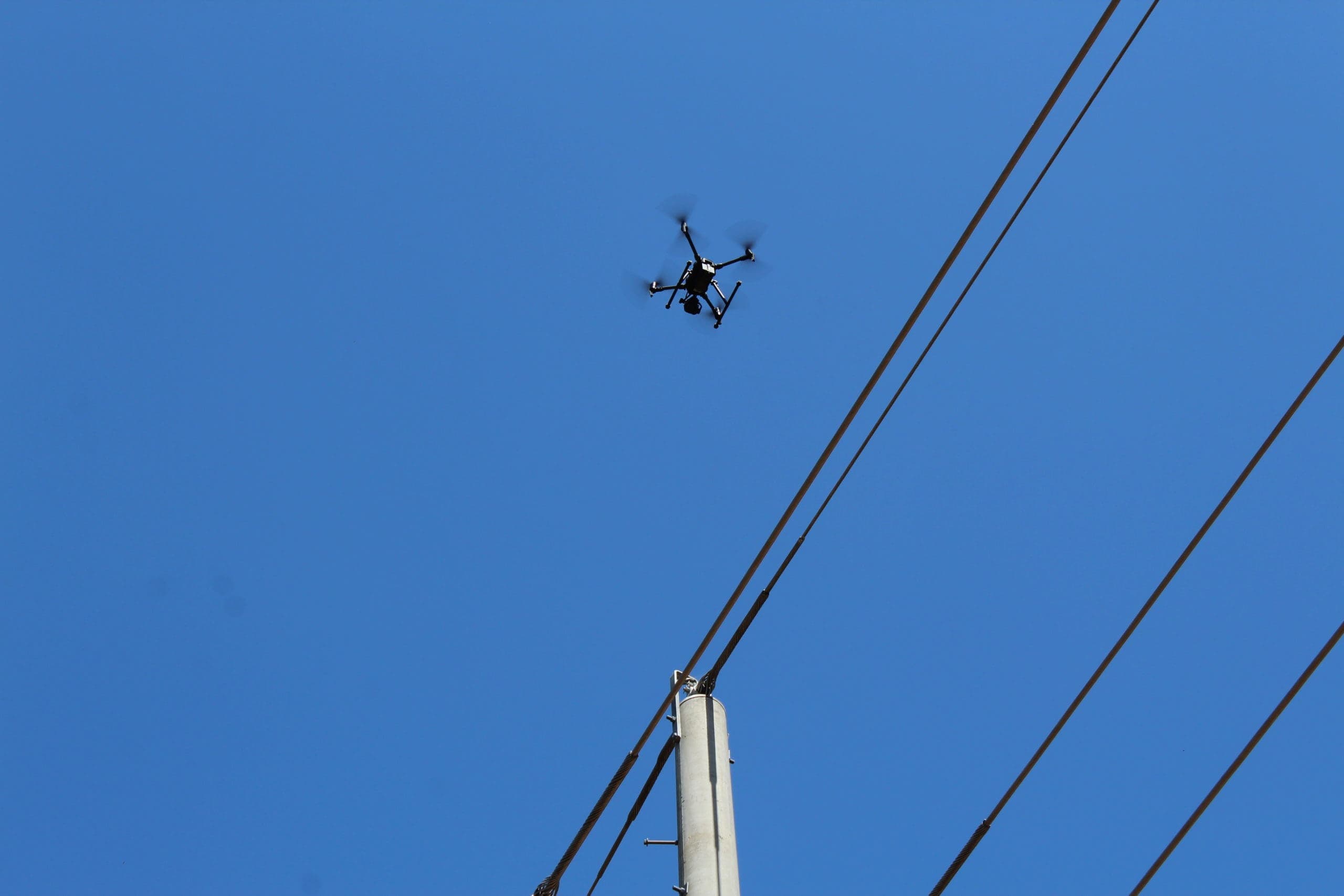
Our BVLOS operations centre is the command hub for all remote drone missions. Operators monitor live telemetry, video feeds, and flight status across multiple dock locations simultaneously. Missions are scheduled on recurring timelines — daily stockpile surveys, weekly powerline patrols, monthly site progress captures — or triggered on demand when conditions require immediate data. All operations are conducted under our CASA BVLOS approvals with full safety management systems in place.
Automated Data Pipeline to SmartData
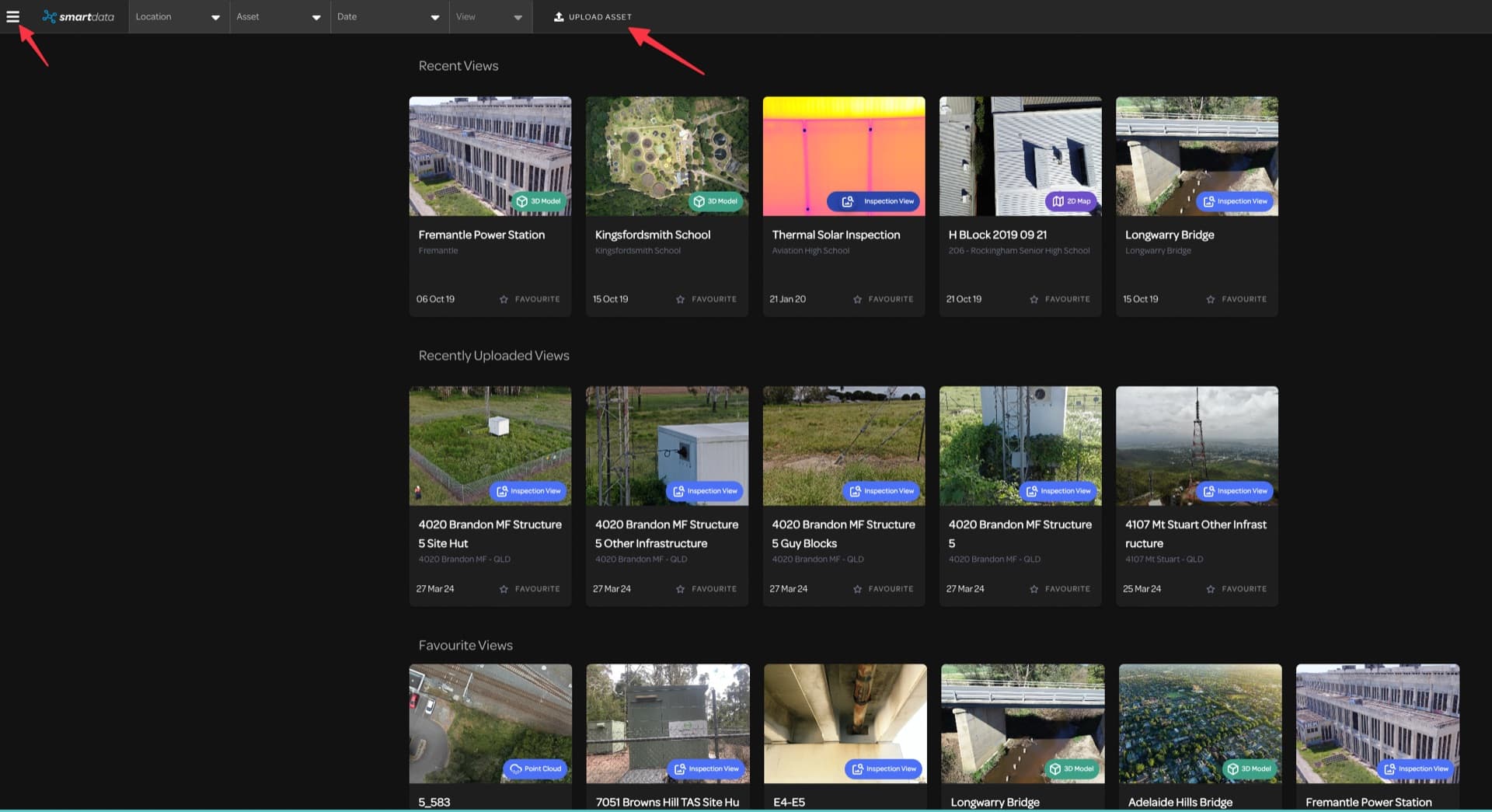
Data captured by the dock is automatically uploaded and processed into SmartData — our cloud-based asset management platform. SmartData delivers 2D orthomosaic mapping, 3D modelling, and inspection viewing tools where your team can annotate defects, measure distances, compare time-series imagery, and generate stakeholder reports. No manual data handling, no USB drives, no waiting for a pilot to return — the data flows from drone to dashboard automatically.
BVLOS — Beyond Visual Line of Sight
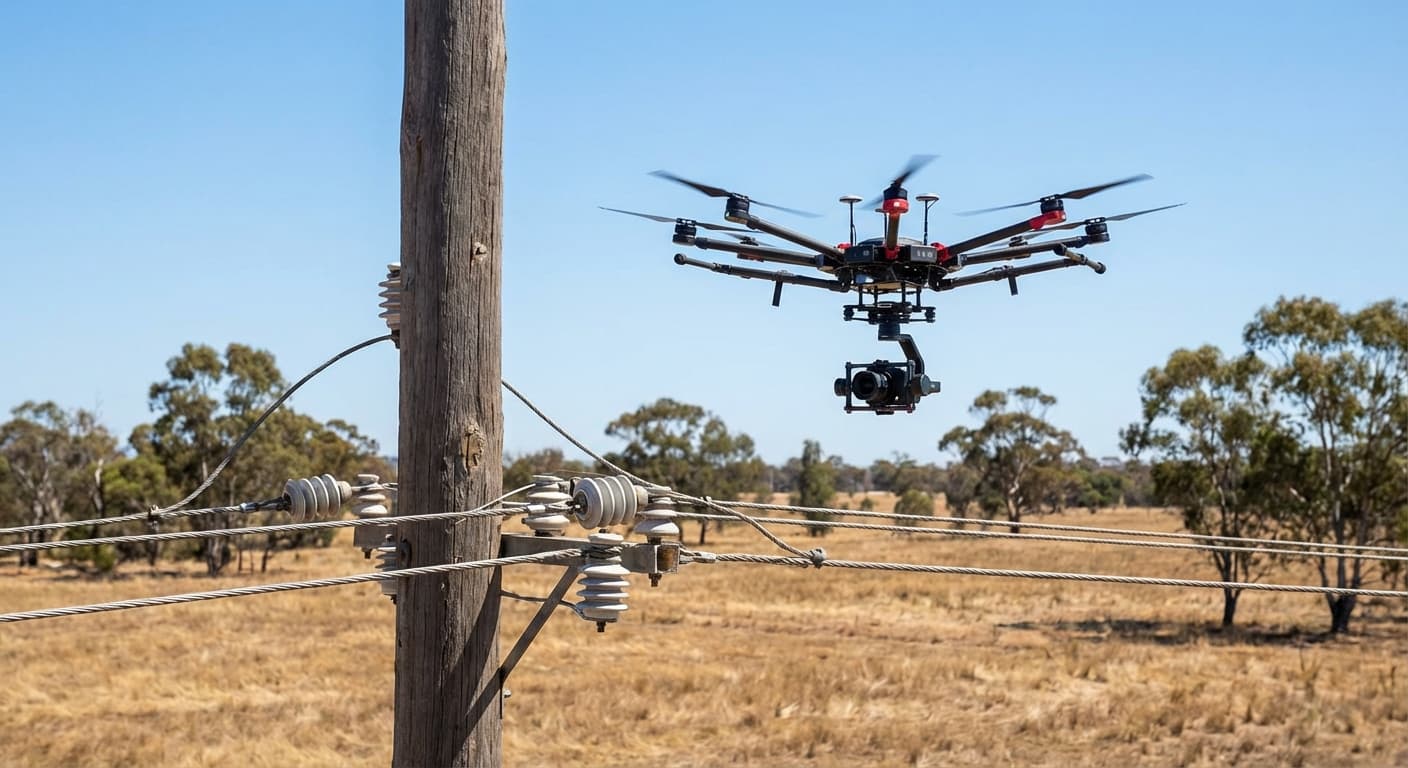
Autonomous dock operations require CASA BVLOS approvals — the ability to fly a drone beyond the pilot’s direct line of sight. National Drones holds the certifications and operational experience to deploy BVLOS programs safely. We manage the full regulatory process including risk assessments, safety cases, airspace coordination, and ongoing compliance. Our 25,000 power pole inspection program demonstrated BVLOS at scale across distribution networks in Western Australia.
Use Cases
Remote drone operations are ideal for any site that needs frequent, repeatable aerial data over a fixed area.
Mining
Daily stockpile volumetrics, pit progression surveys, haul road condition monitoring, and rehabilitation tracking — all without dispatching a survey crew.
Energy & Utilities
Scheduled powerline corridor patrols, solar farm thermal scans, substation inspections, and vegetation encroachment monitoring on a recurring basis.
Oil & Gas
Pipeline corridor monitoring, flare stack inspections, tank farm surveys, and environmental compliance monitoring across remote facilities.
Construction
Weekly or fortnightly progress captures, earthworks volume tracking, and as-built documentation — automated site surveys that run on schedule.
Ports & Logistics
Stockyard inventory management, wharf and berth inspections, security patrols, and container yard monitoring across port facilities.
Security & Perimeter
Autonomous perimeter patrols, event-triggered response flights, and ongoing site surveillance for critical infrastructure and remote facilities.
Powered by SmartData
Every flight feeds directly into SmartData — our cloud-based asset management platform. Your team gets actionable data without touching a file.
- ✓2D Mapping — Orthomosaic maps with 3cm/pixel resolution, measurement tools, and annotation
- ✓3D Modelling — Interactive 360° models for site visualisation and volumetric analysis
- ✓Inspection Viewer — High-resolution asset inspection with thermal overlays and defect annotation
- ✓Time Series — Compare captures side-by-side to track changes and identify issues early
- ✓Reporting — Generate PDF reports and share with stakeholders directly from the platform
How It Works
From dock deployment to data in your hands.
Deploy the Dock
We install the autonomous dock at your site with power, connectivity, and CASA approvals in place.
Schedule Missions
Flight routes are programmed and scheduled from our operations centre — daily, weekly, or on demand.
Autonomous Capture
The dock launches the drone, it flies the route capturing visual, thermal, or LiDAR data, and returns.
Data to SmartData
Captured data is uploaded, processed, and available in SmartData for your team to review and act on.
Frequently Asked Questions
- What is a drone in a box?
- A drone in a box is an autonomous drone docking station that houses, charges, and launches a drone without a pilot on site. The weatherproof station stores the drone, charges it between flights, and allows operators to plan and execute missions remotely from a central operations centre. The drone launches, flies its programmed mission, captures data, returns to the dock, and uploads everything automatically.
- How does an autonomous drone dock work?
- An autonomous drone dock is a compact, weatherproof station with an integrated landing pad, charging system, and weather station. Missions are planned and triggered from the National Drones remote operations centre. The dock opens, the drone launches autonomously, flies the pre-programmed route capturing imagery and sensor data, returns to the dock, uploads data, and recharges for the next mission. The entire process requires no on-site personnel.
- What CASA approvals are needed for autonomous drone operations in Australia?
- Autonomous drone operations in Australia require BVLOS (Beyond Visual Line of Sight) approvals from CASA, in addition to standard ReOC and RePL certifications. National Drones holds all required CASA certifications for BVLOS operations and manages the full regulatory approval process for remote operations deployments.
- How does SmartData integrate with remote operations?
- Data captured by the autonomous dock is automatically uploaded and processed into the SmartData platform. SmartData provides cloud-based 2D mapping, 3D modelling, and inspection viewing tools where teams can annotate, measure, compare time-series data, and generate reports. This creates a fully automated pipeline from data capture to actionable insights without manual data handling.
- What industries benefit from drone in a box solutions?
- Remote drone operations are particularly valuable for mining (daily stockpile surveys, pit monitoring), energy and utilities (powerline patrols, solar farm inspections), oil and gas (pipeline monitoring, flare stack inspections), construction (regular progress monitoring), ports and logistics (stockyard management), and any site requiring frequent, repeatable aerial data collection over a fixed area.
- How much does a remote drone operations program cost?
- Remote operations programs are tailored to each site's requirements — the number of docks, flight frequency, area coverage, and data deliverables all affect pricing. Contact us for a consultation and we will design a solution that matches your operational needs and budget. The cost per data capture drops significantly compared to manual pilot deployments, particularly for sites requiring daily or weekly surveys.
Ready to See What Drones Can Do?
Tell us about your project and we'll send you a tailored proposal — most quotes are turned around within 24 hours.