Thermal Imaging to Revolutionise Inspections
National Drones operates FLIR Zenmuse XT thermal imaging cameras, combining the expertise of FLIR in infrared and thermal imaging with advanced drone platforms. Our thermal imaging services reveal temperature variations invisible to standard cameras, identifying damaged equipment and building defects with precision.
Comprehensive Defect Detection
Thermal technology captures defects across expansive areas with precision, enabling detailed analysis and comprehensive reporting that was previously inaccessible or prohibitively expensive. From solar panel hotspots to building envelope failures, our thermal inspections deliver actionable data.
Applications Across Industries
Originally developed for military purposes, thermal imaging has expanded across multiple sectors with proven results.
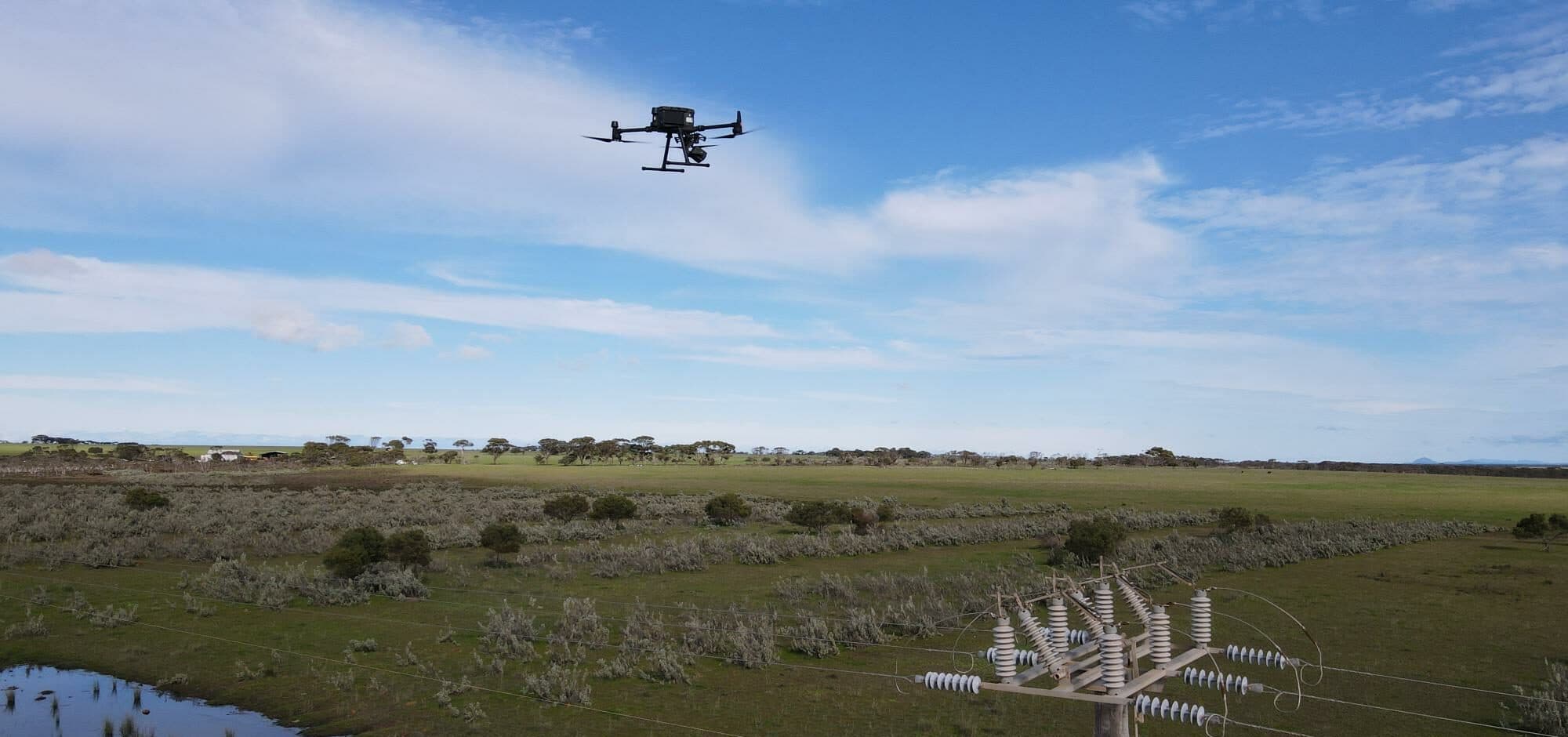
Power Line Maintenance
Detecting overheating joints and connections to prevent equipment failures and costly outages.
Building Management
Identifying heat losses to optimise heating and cooling efficiency, reducing energy costs.
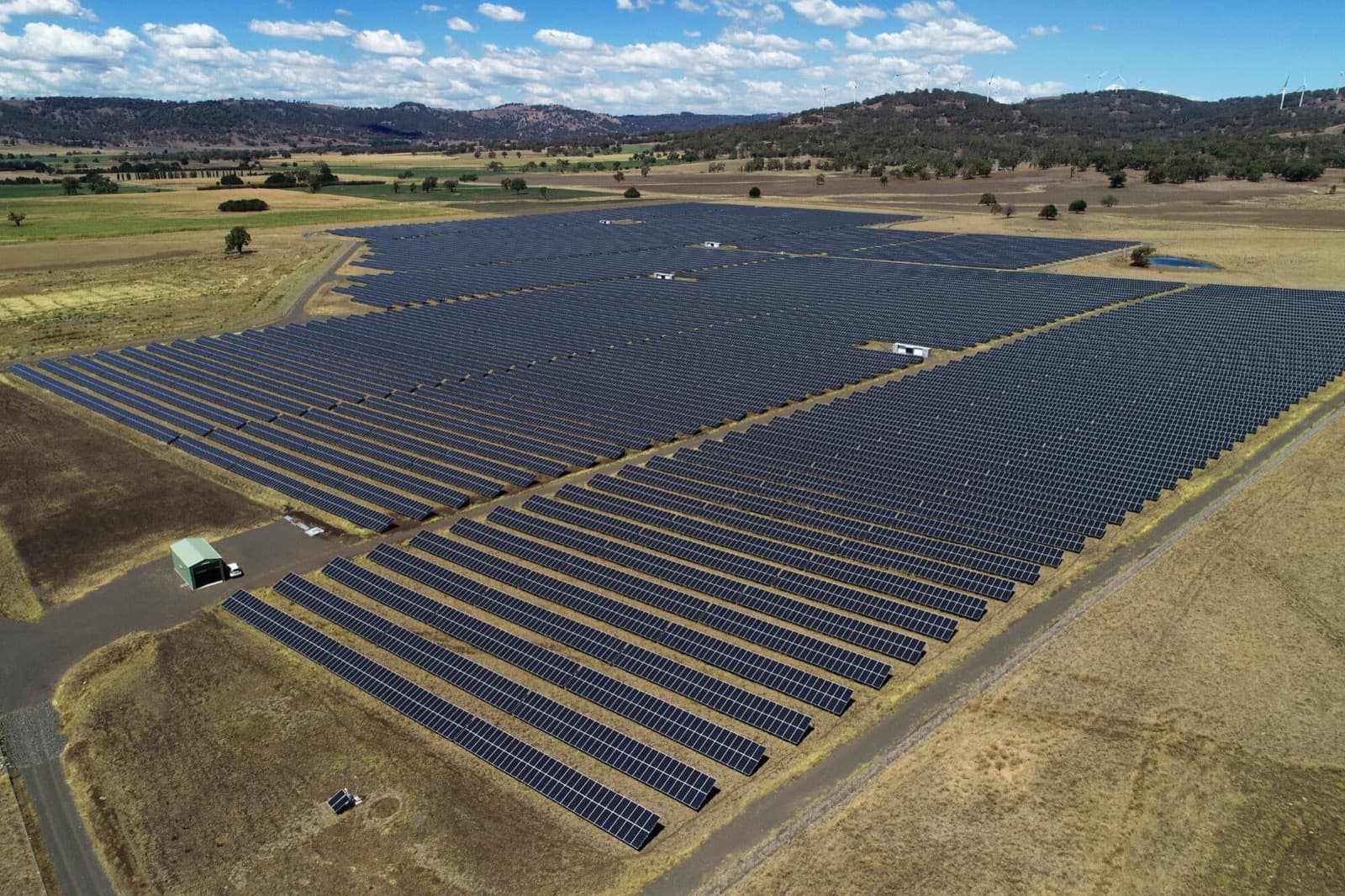
Solar Panel Inspections
Assessing equipment performance and identifying faulty cells across large solar arrays.
Firefighting
Visibility through smoke, locating people, and identifying hotspots for rapid emergency response.
Law Enforcement
Surveillance management, search and rescue operations, and crime scene investigation support.
Roof Inspections
Detecting moisture ingress, insulation deficiencies, and structural issues across commercial roofing.
Frequently Asked Questions
- What can thermal drone inspections detect?
- Thermal drones detect temperature anomalies invisible to the naked eye, including faulty solar panel cells, overheating electrical connections, moisture ingress in roofs and walls, insulation deficiencies, plumbing leaks, and structural defects. The FLIR Zenmuse XT cameras used by National Drones provide radiometric data for precise temperature measurement at each pixel.
- How does thermal imaging compare to visual inspection?
- Visual inspections identify surface-level damage, while thermal imaging reveals subsurface issues such as heat loss, moisture penetration, and electrical faults that are completely invisible to the eye. Combining both methods provides a comprehensive view of asset condition. Thermal inspections are also non-contact and non-destructive, preserving the integrity of the asset being assessed.
- Which industries benefit most from thermal drone inspections?
- The energy sector (solar farms, power lines, substations), building and construction (roof assessments, envelope testing), mining (stockpile monitoring, equipment checks), emergency services (firefighting, search and rescue), and agriculture (irrigation and crop health) all see significant value from thermal drone inspections.
Ready for Lift Off?
Get in touch with our team to discuss how our drone services can support your next project.